
The Heritage of Adire
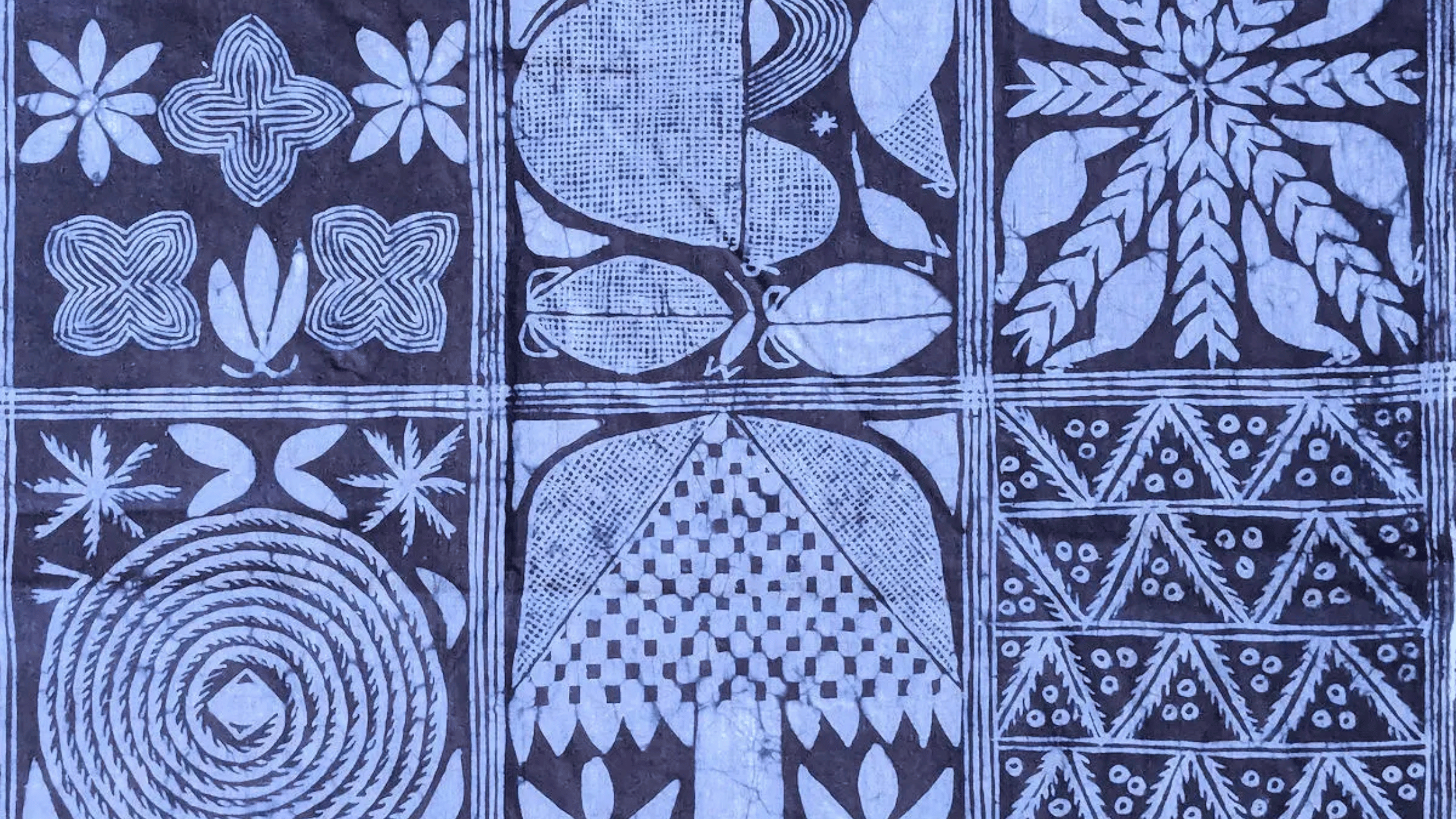
Adire is one of the most significant indigenous textile traditions of the Yoruba people of southwestern Nigeria. It is a resist-dyed textile traditionally associated with indigo and characterized by distinctive patterns produced through tying, stitching, folding, clamping, Batik and other techniques.
Beyond its aesthetic value, Adire represents an important component of Yoruba cultural heritage, preserving indigenous knowledge systems, artistic creativity, social values, and economic practices.
The tradition became particularly prominent in Yoruba towns such as Abeokuta and Ibadan, where women played a central role in its production and commercialization.
Historical museum collections contain Adire textiles dating from the early twentieth century, demonstrating the long-standing history and evolution of the tradition.
In contemporary Nigeria, Adire has moved beyond its traditional use as wrapper cloth and has become a significant source of inspiration for fashion designers, artists, and textile practitioners. Its revival demonstrates how indigenous knowledge systems can be adapted to modern lifestyles while maintaining cultural identity.
Beyond its aesthetic value, Adire represents an important component of Yoruba cultural heritage, preserving indigenous knowledge systems, artistic creativity, social values, and economic practices.
The word ADIRE is a Yoruba term commonly associated with resist-dyed cloth which means ADI : to Tie or RESIST, RE: Dye.
Adire is more than a method of decorating cloth; it is a body of indigenous artistic knowledge transmitted across generations. It reflects the creativity of Yoruba textile practitioners and their ability to transform ordinary fabric into culturally meaningful works of art. Although strongly associated with Yoruba culture, Adire represents a broader symbol of Nigerian creativity, indigenous technology, and cultural resilience.
It demonstrates how local communities transform available resources into meaningful artistic and economic products.
Its presence in international museum collections, including the British Museum and the Smithsonian National Museum of African Art, underscores its global cultural significance.
The heritage of Adire is deeply rooted in the history, creativity, and cultural identity of the Yoruba people of southwestern Nigeria. Developed through indigenous knowledge of resist-dye techniques, Adire integrates artistic expression, cultural communication, and economic activity.




Its distinctive patterns, indigo coloration, and labour-intensive processes make it a significant example of African textile artistry. The central role of women in its development further highlights its importance in the history of indigenous entrepreneurship and creative production.
Despite challenges posed by industrialization and changing consumer preferences, the continued revival of Adire in contemporary fashion demonstrates its enduring relevance. Its future depends on balancing preservation of traditional knowledge with creative innovation.
Adire should therefore be understood not merely as a textile, but as a living cultural heritage that embodies history, identity, artistry, and economic resilience across generations.